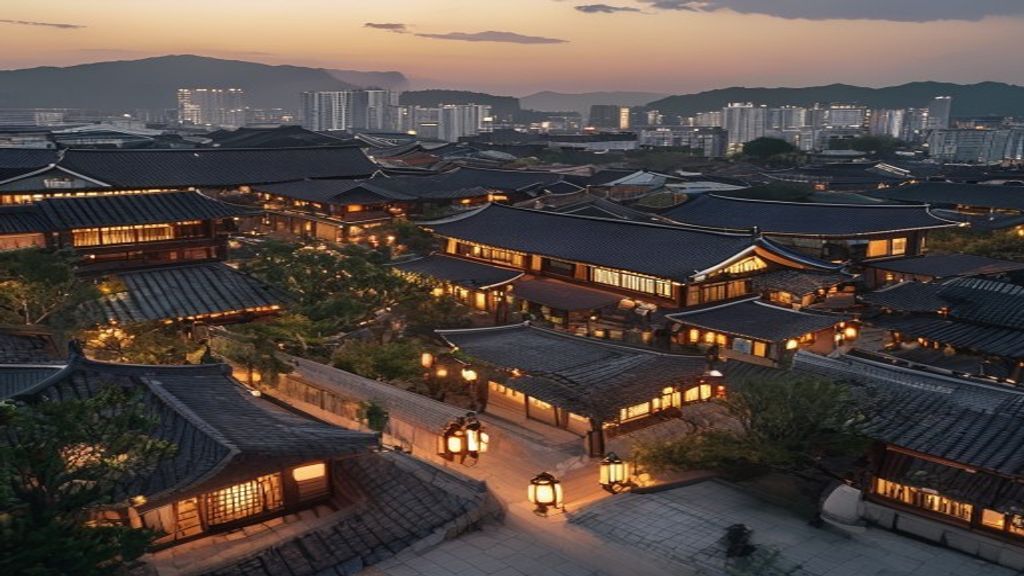
The Seoul No One Tells You About
Most first-time visitors to Seoul follow a well-worn path: Gyeongbokgung Palace, Myeongdong shopping street, a selfie at N Seoul Tower. And honestly? Those places are popular for good reason. But Seoul is a city of 10 million people with 600 years of layered history — and the real magic tends to hide just one or two subway stops away from the tourist trail.
Talk to anyone who has lived in Seoul for more than a year and they'll tell you the same thing: the city reveals itself slowly. A neighborhood you dismissed on your first visit suddenly makes sense once a local shows you the back alley tteokbokki spot, the unmarked makgeolli bar, or the rooftop with the better view. This guide is built on that kind of knowledge — the stuff that doesn't make it into mainstream travel listicles.
Whether you're planning your first trip or your fifth, here's how to experience Seoul the way residents actually do.
---
1. Skip Insadong — Head to Ikseon-dong Instead
Why Ikseon-dong Hits Different
Insadong gets all the attention as Seoul's "traditional culture" district, and while it has its charms, it's now overwhelmingly tourist-facing. Ikseon-dong, located just a short walk northeast, is what Insadong used to feel like before the souvenir shops took over.
The neighborhood is a preserved cluster of hanok (traditional Korean wooden houses) built mostly in the 1920s and 30s during the Japanese colonial period. What makes it unusual is that these aren't museum pieces — they've been converted into intimate cafés, cocktail bars, and independent restaurants while retaining their original architecture. You'll drink espresso inside a 90-year-old wood-beamed structure with a courtyard garden.
What to Do Here
- Walk the narrow alleys without a map — getting slightly lost is the point
- Look for the small ddeok (rice cake) shops tucked between cafés
- Visit in the evening when lanterns illuminate the alleyways
- Try a Korean traditional liquor bar serving cheongju or makgeolli in antique ceramic cups
---
2. The Forgotten Royal Village: Bukchon's Back Streets
Bukchon Hanok Village appears on every Seoul itinerary, and the famous photo spot on Bukchon-ro 11-gil is genuinely beautiful. But most visitors don't realize that Bukchon is a living residential neighborhood, not a theme park — and residents have been increasingly vocal about the impact of tourism on their daily lives.
How to Explore Respectfully (and More Rewwardingly)
Instead of joining the crowd at the main viewpoint, explore the northern and western edges of Bukchon that bleed into the Gahoe-dong and Samcheong-dong areas. Here the density of tourists drops sharply, the hanoks are equally beautiful, and small independently-run galleries have set up in converted traditional homes.
Samcheong-dong in particular deserves more credit than it gets. It runs uphill from the National Folk Museum toward the mountains, lined with contemporary art galleries, architecture studios, and quiet tea houses. On a weekday morning, you can walk the full length of it and feel like you have the city to yourself.
Local tip: The path that runs behind Changdeokgung Palace's rear wall toward Wonseo-dong is one of the most atmospheric urban walks in all of Seoul — almost nobody does it.
---
3. Mangwon-dong: The Neighborhood Seoul's Creative Class Claims as Home
What Happened Here
For years, Mangwon-dong was just another working-class neighborhood in Mapo-gu, known mainly for its large traditional market. Then, sometime around 2015–2018, Seoul's artists, designers, and small-batch food entrepreneurs started moving in — priced out of Hongdae (the famous university arts district just one stop away on the subway) and looking for cheaper rents with similar energy.
The result is one of the most organically cool neighborhoods in the city. Unlike Hongdae, which is now heavily commercialized and packed with franchises, Mangwon still feels genuinely local.
What to Seek Out
- Mangwon Market (망원시장): One of Seoul's best traditional markets, with incredibly cheap street food including hotteok (sweet pancakes), tteokbokki, and sundae (Korean blood sausage). Locals shop here daily.
- Independent coffee roasters and natural wine bars scattered throughout the grid-like side streets
- The Han River Mangwon Park entrance — rent a bike, grab convenience store kimbap, and join the Seoulites who treat the Han River cycling paths as their weekend living room
- Small-batch Korean craft beer taprooms that have opened in converted garages
4. Seoul's Underground Food Culture: Beyond the Famous Markets
Gwangjang Market is famous, and yes, the bindaetteok (mung bean pancakes) and mayak kimbap there are exceptional. But Seoul's food culture runs much deeper than its Instagram-ready market stalls.
Pojangmacha: The Real Social Institution
The pojangmacha — a tented street stall typically serving soju, beer, and simple hot food — is arguably the most honest expression of everyday Seoul social life. These aren't tourist attractions; they're where office workers decompress after a long day, where friends have arguments and reconciliations, where strangers become acquaintances over shared bottles of soju.
The best clusters are found around:
- Jongno-3-ga station (especially after 9 PM)
- Near Noryangjin Fish Market on the south side of the Han River
- The alleys surrounding Seoul Station on weekend evenings
The Basement Restaurant Phenomenon
Seoul has a particular culinary quirk: some of its best restaurants are in basements, identified only by a small sign at street level or sometimes just word of mouth. This is partly a real estate thing — basement spaces rent cheap — and partly a Korean cultural tendency to value substance over spectacle.
If you're walking through neighborhoods like Euljiro or Cheongdam-dong and notice a staircase leading downward with the faint smell of doenjang jjigae (fermented soybean stew), follow it.
---
5. Euljiro: Seoul's Industrial Comeback Story
From Manufacturing Hub to Cultural District
Euljiro (을지로) is one of the most fascinating urban stories in contemporary Seoul. For decades it was the city's hardware and manufacturing district — a dense warren of printing shops, metal workshops, lighting suppliers, and electrical parts dealers. Old men in work aprons, the smell of machine oil, the sound of metal cutting.
That industrial identity hasn't disappeared. But starting around 2017, young Seoulites started colonizing the spaces between the workshops: opening bars in unused warehouse corners, setting up music venues in print shop basements, running gallery spaces next to neon sign fabricators.
The result is a neighborhood that feels genuinely alive with contrast. You'll have a craft cocktail in a bar where the walls are exposed concrete and the shelves hold vintage Korean manufacturing equipment — and the guy welding something in the shop next door has been there for 35 years.
Practical Euljiro Tips
- Focus on the area between Euljiro 3-ga and Euljiro 4-ga stations
- The bar scene is almost entirely word-of-mouth and unmarked — look for buildings with multiple buzzers and groups of young Koreans standing outside
- Visit during the day too: the hardware district is genuinely fascinating from a cultural and historical standpoint
- Sewoon Sangga, the brutalist mega-complex running through the area, has been partially revitalized with maker spaces and small shops worth exploring
6. Getting Spiritual: Seoul's Underrated Temple Culture
Jogyesa Temple in central Seoul is well-known and worth visiting, particularly during the Lotus Lantern Festival. But Seoul is surrounded by mountain temples that most visitors never reach.
Inwangsan and Shamanist Seoul
Inwangsan (Inwang Mountain) is perhaps the most unusual spiritual site in the city. The mountain has been a center of Korean shamanism (musok) for centuries, and even today you'll find gut (shamanist ritual) shrines cut into the rock face, shamans (mudang) conducting ceremonies for clients, and a particular atmosphere that feels genuinely ancient.
The Guksadang shrine on Inwangsan is the most important shamanist shrine in Seoul, relocated to this site during the Japanese colonial period. It represents a dimension of Korean spiritual life that Buddhism and Christianity haven't fully displaced — and that most travel guides don't mention at all.
The hike to Inwangsan takes about 45 minutes from Dongnimmun station and offers extraordinary views of the city framed by the old city wall.
Bongeunsa: The Temple That Survived the City
In the middle of ultra-modern Gangnam, Bongeunsa Temple sits surrounded by gleaming skyscrapers in a way that shouldn't work but absolutely does. The temple dates to 794 CE and offers a templestay program where you can spend a night experiencing monastic life — 4 AM meditation, formal tea ceremony, communal meals.
---
7. Navigating Seoul Like a Local: Practical Knowledge
The Subway Is More Than Transport
Seoul's subway system is genuinely world-class, but locals use it in ways tourists often miss. Many stations have underground shopping arcades (the one beneath Express Bus Terminal station is enormous, selling fabric, clothing, and flowers at wholesale prices). Station food courts are also often excellent and dramatically cheaper than street-level restaurants.
Convenience Stores Are Not a Backup Plan
Korean convenience stores — primarily CU, GS25, and 7-Eleven — are a genuine part of food culture here, not a last resort. Locals regularly eat full meals from convenience stores: triangle kimbap, hot ramen cooked at the in-store machine, Korean fried chicken, and seasonal limited-edition items that food writers genuinely get excited about.
Sitting at the plastic tables outside a convenience store with a cold beer at 11 PM is one of the most authentically Seoul experiences available.
The T-Money Card
Get one at any convenience store or subway station. It works on subway, bus, and taxis, and the tap-in tap-out system means you'll pay less than a tourist buying individual tickets. Small detail, big quality-of-life improvement.
---
8. Day Trips That Feel Nothing Like Seoul
Suwon Hwaseong Fortress
Just 30 minutes south of Seoul by subway, Suwon's Hwaseong Fortress is a UNESCO World Heritage Site that most international visitors skip entirely. The fortress wall stretches 5.7 kilometers around the city and can be walked almost completely, offering views of both the old city center and the surrounding mountains. It was built in 1796 by King Jeongjo and represents a high point of late Joseon architectural achievement.
Ganghwa Island
Ganghwa Island, accessible by bus from Seoul, is where Korean history gets genuinely strange and deep. It served as a refuge for the Goryeo royal court during the Mongol invasions of the 13th century, and the island is scattered with dolmen (prehistoric stone burial monuments) that predate the Korean kingdoms entirely. There are also significant Dangun mythological sites here — Dangun being the legendary founder of the Korean people.
---
Final Thoughts: Seoul Rewards Slowness
The visitors who leave Seoul with the most vivid memories are almost never the ones who hit the most checkboxes. They're the ones who sat in a pojangmacha long enough for the owner to start making recommendations, who wandered into a neighborhood market without a plan, who noticed the shamanist shrine halfway up a mountain they climbed on a whim.
Seoul's hidden gems aren't really hidden — they're just not optimized for the kind of travel that prioritizes volume over depth. Slow down, get on the subway with no particular destination, and let the city show you what it's actually about.
---
Interested in going deeper into Korean culture before your trip? Exploring Korean history, language basics, food culture, and social customs will make everything in this guide land with more meaning. There are excellent Korean culture resources — from language apps to cultural documentary series — that can give you context that transforms a good trip into an unforgettable one.