Why Korean BBQ Deserves a Spot in Your Home Kitchen
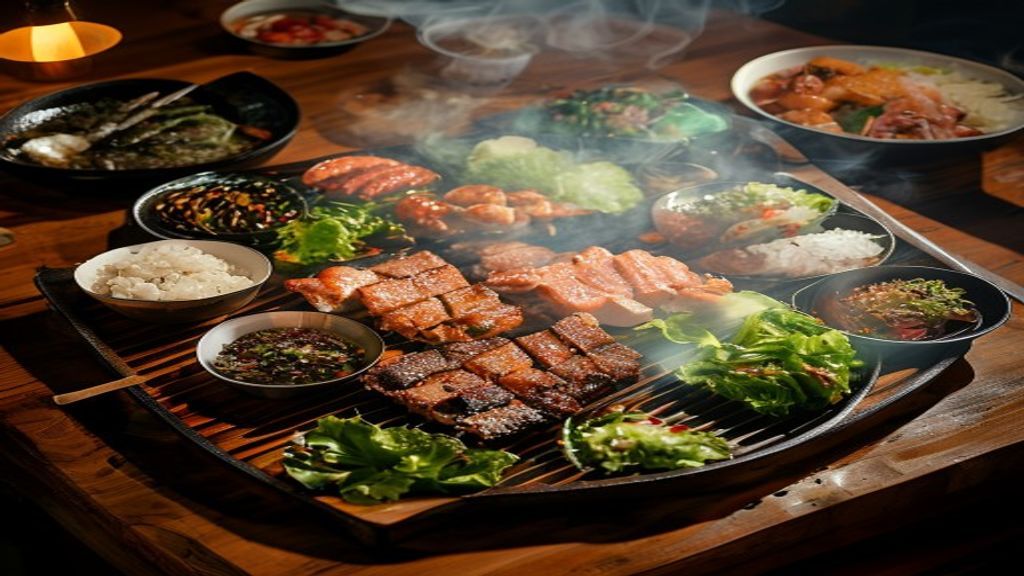
There's something almost theatrical about Korean BBQ. The sizzle of meat hitting a hot grill, the cloud of fragrant smoke, the parade of small dishes arriving at the table — it's a full sensory experience that feels equal parts meal and celebration.
For many Westerners, their first encounter with Korean BBQ happens at a restaurant, sitting around a table with a built-in grill and a server who swoops in to flip the meat with tongs. It feels like a ritual you couldn't possibly replicate at home. But here's the truth: with the right cuts, a few pantry staples, and a simple tabletop grill, you absolutely can.
This guide walks you through everything you need to know — from choosing the correct cuts at your local Asian grocery store to understanding the cultural logic behind how Korean BBQ is actually eaten.
---
A Brief History of Korean BBQ Culture
Korean grilling traditions stretch back well over a thousand years. Early forms of grilled meat appear in historical records from the Goguryeo period (37 BCE–668 CE), where nomadic influences brought techniques of cooking meat over open fire. The dish maekjeok — skewered, marinated beef — is often cited as an ancient ancestor of modern bulgogi.
During the Joseon Dynasty, grilled beef became associated with the aristocracy, prized as a luxury food. After the Korean War and through the economic development of the 1970s and 80s, pork belly (samgyeopsal) emerged as the affordable, democratic counterpart — a cut that working-class Koreans could enjoy regularly, especially paired with soju after a long shift.
Today, Korean BBQ (gogi-gui, literally "meat grilling") is both everyday comfort food and a major cultural export. K-dramas routinely feature characters bonding over a tabletop grill, and the global K-food wave has made samgyeopsal and bulgogi recognizable across continents.
---
Setting Up Your Korean BBQ Station at Home
Before getting into cuts, let's talk setup. You don't need a restaurant-grade ventilation system, but a few basics make a huge difference.
Grill Options
- Cast iron grill pan: The most accessible option. Gets very hot, retains heat well, and works on any stovetop. Great for bulgogi and thin slices.
- Tabletop butane grill: Widely available online and at Asian grocery stores for $30–60. The most authentic home setup, lets everyone cook at the table.
- Electric tabletop grill: A smokeless option ideal for apartments. Slightly less char, but very practical.
- Outdoor charcoal grill: If you have outdoor space, a small charcoal grill with a grate produces the most authentic smoky results for thicker cuts.
Essential Accessories
- Long-handled tongs and kitchen scissors (scissors are non-negotiable — Koreans cut grilled meat directly at the table)
- Small dishes for dipping sauces
- Lettuce leaves, perilla leaves, and sliced garlic for wraps (ssam)
- A bowl of steamed white rice
Ventilation
Open windows, turn on your exhaust fan, and consider a splatter screen. Fatty cuts like pork belly produce significant smoke. This is normal and expected — but your smoke detector doesn't know that.
---
The Essential Korean BBQ Meat Cuts Explained
This is the heart of the guide. Understanding cuts is what separates a mediocre home KBBQ session from an authentic one.
Pork Cuts
Samgyeopsal (삼겹살) — Pork Belly The undisputed king of Korean BBQ. Samgyeopsal means "three-layer flesh," referring to the alternating bands of fat and meat. It's sold in thick slices (about 5–7mm) and grilled without any marinade, letting the fat render and the edges crisp.
What to look for: An even ratio of fat to meat, pale pink color, firm texture. Korean grocery stores sell it pre-sliced; at Western supermarkets, ask the butcher for thick-sliced uncured pork belly.
Ogyeopsal (오겹살) — Five-Layer Pork Belly A premium version of samgyeopsal with an extra layer of skin attached. Harder to find outside Korea, but worth seeking out at specialty Korean grocers. The skin adds a satisfying chew.
Moksal (목살) — Pork Neck/Shoulder Slightly leaner than pork belly but still well-marbled. Often marinated in a simple soy-garlic sauce or a spicy gochujang-based marinade. More forgiving on the grill and excellent for beginners.
Dwaeji Galbi (돼지갈비) — Pork Ribs Korean-style pork ribs are cut thin (flanken cut) and marinated in a sweet soy sauce with Asian pear or kiwi as a natural tenderizer. Rich, sticky, and deeply savory.
Beef Cuts
Bulgogi (불고기) — "Fire Meat" Probably the most globally recognized Korean BBQ dish. Thinly sliced beef — traditionally ribeye or sirloin — marinated in a blend of soy sauce, sesame oil, garlic, ginger, sugar, and grated Asian pear. The pear contains the enzyme actinidin, which breaks down meat proteins and produces a uniquely tender texture.
For home cooking, ask your butcher for ribeye sliced 1–2mm thin, or look for pre-sliced bulgogi meat at Korean grocery stores. You can also partially freeze a ribeye at home and slice it yourself with a sharp knife.
Galbi / LA Galbi (갈비 / LA갈비) — Beef Short Ribs Traditional galbi uses thick-cut beef short ribs scored to the bone. LA galbi — named for the Los Angeles Korean diaspora that popularized the style — uses a flanken (cross-cut) method that produces thin strips with three to four rounds of bone. This cut marinates faster and cooks in minutes.
The marinade for galbi is similar to bulgogi but often richer: soy sauce, brown sugar, garlic, sesame oil, and Asian pear or kiwi. Marinate for at least 4 hours, ideally overnight.
Chadolbaegi (차돌박이) — Beef Brisket Slices Paper-thin, almost translucent slices of beef brisket, sold frozen in tight rolls. When they hit the grill, they cook in literally 30 seconds. The fat content is high, which means an intense beefy flavor. No marinade needed — just sesame oil and salt for dipping.
Deungsim (등심) — Ribeye Steak Cuts Thicker ribeye slices (about 1cm) grilled whole and then cut with scissors at the table. Often served as a premium item. Look for heavy marbling.
---
Marinades: The Flavor Foundation of Korean BBQ
Korean BBQ marinades follow a consistent logic: a salty base, a sweet element, aromatics, and a tenderizing agent.
Basic Bulgogi/Galbi Marinade Formula
- Salty base: Soy sauce (3–4 tbsp for ~500g meat)
- Sweet: Brown sugar, honey, or mirin (1–2 tbsp)
- Aromatics: Garlic (3–4 cloves, minced), ginger (1 tsp), sesame oil (1 tbsp)
- Tenderizer: Grated Asian pear, kiwi, or pineapple (2–3 tbsp)
- Optional depth: A splash of cheongju (Korean rice wine) or dry sherry
Spicy Gochujang Marinade (for pork neck or chicken)
- Gochujang (Korean chili paste): 2 tbsp
- Soy sauce: 1 tbsp
- Sesame oil: 1 tbsp
- Garlic: 3 cloves minced
- Brown sugar: 1 tbsp
- Ginger: 1 tsp
- Optional: a little doenjang (fermented soybean paste) for earthy depth
---
The Banchan System: What Goes Around the Grill
Korean BBQ is never a solo performance. The meat is the lead, but the banchan (side dishes) are what make the meal complete. A home setup doesn't require dozens of dishes — even three or four create an authentic spread.
Non-negotiables for home KBBQ:
- Kimchi: Fermented napa cabbage kimchi, ideally well-aged for that funky, complex flavor. Grilling a little kimchi directly on the hot grill is also encouraged.
- Ssamjang: A thick, savory dipping paste made from doenjang and gochujang. Essential for wraps.
- Sesame oil + salt: The simplest dipping sauce, especially for samgyeopsal and chadolbaegi.
- Scallion salad (pa muchim): Thinly sliced green onions dressed with sesame oil, chili flakes, and vinegar. Cuts through the richness of fatty meats perfectly.
- Lettuce and perilla leaves: For wrapping meat, rice, garlic, and ssamjang into ssam (wraps).
How to Actually Eat Korean BBQ: The Wrap Technique
If you've only ever eaten Korean BBQ by putting meat on rice and eating with chopsticks, you're missing the best part.
The ssam (wrap) method is how most Koreans eat grilled meat:
1. Place a lettuce leaf (or perilla leaf) flat in your palm. 2. Add a small scoop of steamed rice. 3. Place 1–2 pieces of freshly grilled meat on top. 4. Add a small dab of ssamjang, a slice of raw garlic, and maybe a sliver of green chili. 5. Fold the leaf into a bundle and eat the whole thing in one bite (or as close to it as possible).
The combination of fatty, savory meat; fermented, pungent paste; sharp raw garlic; and fragrant herb is genuinely unlike anything else in food culture. It's the reason people become obsessed with Korean BBQ.
---
Where to Buy Korean BBQ Cuts in the West
Finding the right cuts used to be a challenge outside major cities. That has changed significantly.
- Korean/Asian grocery stores (H Mart, 99 Ranch, Hanahreum): Best selection, pre-sliced bulgogi and chadolbaegi, good pork belly, and all the banchan ingredients you need.
- Japanese grocery stores (Mitsuwa, Nijiya): Often carry thinly sliced beef and pork belly suitable for KBBQ.
- Regular supermarkets: Pork belly is increasingly common. Ribeye can be sliced thin by the butcher on request. Short ribs are easy to find; ask for flanken-cut for LA galbi.
- Online butchers and specialty meat delivery: Several US-based online butchers now offer Korean BBQ cut boxes, including properly sliced bulgogi beef and LA galbi.
---
Common Mistakes to Avoid
Even well-intentioned home cooks run into the same pitfalls. Here are the most common ones:
- Overcrowding the grill: Cook in small batches. Crowded meat steams instead of sears. You want that caramelized crust.
- Skipping the pat-dry step: For marinated meats, excess marinade burns before the meat cooks. Pat lightly with paper towels before grilling.
- Cutting against the grain for thick cuts: For galbi and samgyeopsal, use scissors at the table to cut cooked meat into bite-sized pieces — this is culturally standard and also practically smart.
- Using cold meat straight from the fridge: Let marinated meat rest at room temperature for 15–20 minutes before grilling for more even cooking.
- Burning the garlic: Raw sliced garlic is often placed directly on the grill. It burns fast. Keep it moving or add it in the last 30 seconds.
A Simple Home Korean BBQ Menu to Start With
If you're hosting your first home KBBQ night, this combination is crowd-pleasing, manageable, and genuinely delicious:
Meats:
- Samgyeopsal (unmarinated pork belly)
- LA galbi (marinated overnight)
- Chadolbaegi (thin brisket, no marinade)
- Store-bought kimchi
- Ssamjang (available at any Korean grocery store, no need to make from scratch)
- Sesame oil and salt dipping dish
- Pa muchim (scallion salad — 5 minutes to make)
- Steamed short-grain white rice
- Instant doenjang jjigae (soybean paste stew) as a finishing dish
- Soju (traditional), Korean beer (maekju), or soju-beer mix (somaek) for authenticity
- Sparkling water or barley tea (bori cha) for non-drinkers
Final Thoughts
Korean BBQ at home is less about perfection and more about the experience of cooking and eating together. The reason samgyeopsal nights are so beloved in Korea isn't just the food — it's the shared act of gathering around a flame, passing dishes, wrapping bites, and staying at the table longer than you planned.
Once you understand the cuts and the basic structure, home KBBQ becomes one of the most flexible and rewarding meals you can host. Start with pork belly and work your way to LA galbi and thin-sliced bulgogi. Get comfortable with the wrap technique. Invest in a good tabletop grill.
The rest is just practice — and the practice is delicious.
---
Want to go deeper into Korean food culture? Explore our guides on essential Korean pantry ingredients, how to make kimchi from scratch, and the complete world of Korean stews and soups. Understanding the food is one of the best entry points into Korean culture as a whole.