The Best 7-Day Korea Itinerary for First-Time Visitors
South Korea is one of those rare destinations that genuinely surprises people. First-timers often arrive expecting K-pop and kimchi — and they get both — but they also get 5,000-year-old palaces sitting in the shadow of glass skyscrapers, Buddhist monks sharing subway cars with teenagers in streetwear, and street food that costs less than a cup of coffee back home.
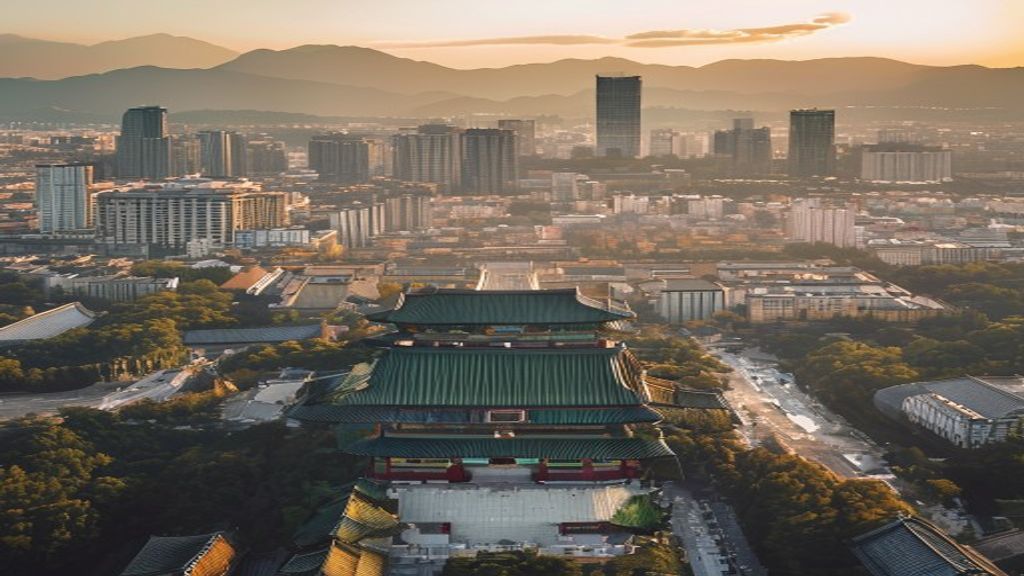
This 7-day Korea itinerary is designed specifically for first-time visitors who want a meaningful, well-paced mix of history, culture, food, and modern life. It takes you from the buzzing heart of Seoul to ancient Gyeongju and ends with the coastal energy of Busan — three cities that together tell the full story of Korea.
---
Before You Go: Essential Korea Travel Basics
Getting There and Around
Most international flights land at Incheon International Airport (ICN), consistently ranked among the world's best airports. From Incheon, the AREX Express Train connects you to central Seoul in about 43 minutes for around ₩9,500 (~$7 USD).
For travel between cities, South Korea's KTX bullet train is fast, reliable, and genuinely enjoyable. The Seoul–Busan route takes under 2.5 hours. Book tickets in advance via the KORAIL website or at any major train station.
Must-Have Travel Tools
- T-money card: A reloadable transit card for buses and subways. Buy one at any convenience store.
- Pocket Wi-Fi or SIM: Available for pickup at Incheon on arrival. Essential for navigation.
- Naver Maps: Google Maps has limited functionality in Korea — use Naver Maps or KakaoMap instead.
- Papago app: The most accurate Korean translation app, made by Naver.
Best Time to Visit
Korea has four distinct seasons. Spring (April–May) is legendary for cherry blossoms, and autumn (September–November) turns the mountains deep red and gold. Both are peak travel seasons, so book accommodation early. Summer is hot and humid with a rainy season (jangma) in July. Winter is cold but magical — and cheaper.
---
Days 1–2: Seoul — The City That Never Sleeps
Day 1: Royal Palaces and Traditional Villages
Start your Korea journey where most of its history is rooted — in Joseon Dynasty Seoul, founded in 1392.
Gyeongbokgung Palace is the natural first stop. This was the grand seat of Joseon kings for over 500 years, destroyed by Japanese colonial forces and painstakingly restored. The Changing of the Royal Guard ceremony (10:30 AM and 2:00 PM) is worth timing your arrival around. Admission is free in hanbok (traditional dress), which you can rent just outside the gate.
From there, walk northeast into Bukchon Hanok Village, a neighborhood of preserved traditional Korean homes (hanok) where people still live. The contrast of blue-tiled rooftops against the Seoul skyline is one of the most photographed images in Korea — but it's even better in person. Walk slowly, be respectful of residents, and avoid the early morning rush of tour groups.
In the evening, head to Insadong for dinner and wandering. This area has been the cultural and artistic heartbeat of Seoul for generations, filled with tea houses, craft galleries, and street snacks like hotteok (sweet pancakes filled with brown sugar and nuts).
Day 2: Modern Seoul — Han River, Hongdae, and Nightlife
Day 2 is about experiencing the Korea the rest of the world fell in love with through dramas and music.
Begin at Namsan Tower (N Seoul Tower) for panoramic city views — take the cable car up, then hike down through Namsan Park if the weather is good.
Spend your afternoon in Hongdae, the university district that birthed much of Korea's indie music and streetwear culture. Even if you're not into K-pop, the energy here is infectious — street performers, vintage stores, and some of the best affordable food in the city.
End your Seoul evenings in Myeongdong for skincare shopping (a rite of passage), then grab tteokbokki (spicy rice cakes) and eomuk (fish cake skewers) from a pojangmacha — the iconic Korean street food tent.
---
Day 3: Seoul Deep Dive — Markets, Hangang, and Local Life
Gwangjang Market: Korea's Oldest Covered Market
Gwangjang Market, established in 1905, is one of the oldest and largest traditional markets in Korea. It was designated as Korea's first permanent market and has changed surprisingly little in atmosphere since. The food alley inside is legendary — mayak gimbap (bite-sized rice rolls so addictive they're nicknamed "narcotic gimbap"), bindaetteok (mung bean pancakes), and raw bibimbap stalls operated by grandmothers who have been cooking the same dishes for decades.
Many first-time visitors say Gwangjang was the single most memorable food experience of their entire Korea trip. It's that good.
Afternoon: Dongdaemun and Han River
Dongdaemun Design Plaza (DDP), designed by Zaha Hadid, sits on the former site of one of the original gates of the Joseon-era city wall — layers of history literally visible in its excavated archaeological zone. It hosts fashion shows, pop-up exhibitions, and design events. Worth walking through even if you don't go inside.
In the late afternoon, join Seoulites at Hangang Park. Renting a bike, eating convenience store ramyeon by the river, and watching the city lights reflect off the Han River at dusk is one of those simple experiences that somehow becomes a travel highlight.
---
Day 4: Day Trip to the DMZ — History Like Nowhere Else
No Korea itinerary for a first-timer is complete without acknowledging the Korean War (1950–1953) and its still-unresolved division. The Demilitarized Zone (DMZ) — a 4km-wide buffer zone separating North and South Korea — is one of the most sobering and fascinating places on earth.
Joining a guided DMZ tour from Seoul (roughly ₩50,000–₩80,000 per person) takes you to:
- Imjingak Park: A memorial site with a haunting bridge of freedom and thousands of ribbons tied by families separated by the division
- The 3rd Infiltration Tunnel: One of four tunnels dug by North Korea under the border, discovered in 1978
- Dora Observatory: Where on clear days you can see into North Korea
- Dorasan Station: The southernmost train station in South Korea, built in hope of eventual reunification
---
Day 5: Travel Day to Gyeongju — Korea's Ancient Capital
Why Gyeongju Matters
Take the KTX from Seoul to Gyeongju (about 2 hours). Often called "the museum without walls," Gyeongju was the capital of the Silla Kingdom for nearly 1,000 years (57 BCE – 935 CE). UNESCO has recognized multiple sites here as World Heritage properties.
Gyeongju Highlights
Bulguksa Temple, built in 751 CE, is one of the most beautiful Buddhist temples in all of Asia. Its stone pagodas — Dabotap and Seokgatap — are so culturally significant they appear on the 10-won coin. The surrounding mountain setting and the sense of genuine spiritual history here is deeply moving.
After Bulguksa, hike up to Seokguram Grotto, a UNESCO-listed 8th-century stone Buddha carved into a granite cave on Mount Toham. The path up through pine forest is part of the experience.
In the evening, walk through Tumuli Park at dusk — enormous grass-covered royal burial mounds of Silla kings and queens rising out of the middle of the modern city. It's one of the most surreal and beautiful sights in Korea.
For dinner, try ssambap (rice and meat wrapped in leaves) at a local restaurant, and pick up hwangnam bread — a Gyeongju specialty filled with red bean paste that has been made in the same way since the 1930s.
---
Day 6: Busan — Korea's City by the Sea
Take the KTX from Gyeongju to Busan (30 minutes). Korea's second city is louder, saltier, and arguably more fun than Seoul for food lovers.
Gamcheon Culture Village
Gamcheon Culture Village clings to a hillside overlooking Busan harbor, its pastel-colored houses stacked like a Korean version of Cinque Terre. Originally built as housing for refugees during the Korean War, it was transformed into an open-air art village from 2009 onward. Wander the narrow alleys, find the hidden murals, and grab coffee from one of the tiny hillside cafes.
Jagalchi Fish Market and Gwangalli Beach
Jagalchi Market is Korea's largest seafood market and one of the liveliest sensory experiences you'll have on this trip. Buy fresh seafood on the ground floor and take it upstairs to be prepared — haenyo (female divers) have been supplying this market for generations.
In the evening, Gwangalli Beach offers a postcard view of the illuminated Gwangan Bridge with beachside bars, convenience store beer culture, and the Busan night vibe in full swing.
---
Day 7: Final Day in Busan — Temples, Beaches, and Heading Home
Haedong Yonggungsa Temple
Most Korean Buddhist temples are in the mountains. Haedong Yonggungsa is the rare exception — built directly on the rocky coastline, with waves crashing below its prayer halls. It was originally founded in 1376 and is considered one of Korea's three most sacred Buddhist sites. Early morning here, before the tour buses arrive, is genuinely breathtaking.
Haeundae Beach
Haeundae is Korea's most famous beach. In summer it's famously packed (up to 1.5 million visitors in a single weekend during peak season). In spring or autumn, it's a pleasant place to walk, eat, and decompress before heading home.
For a final meal, Busan is the birthplace of milmyeon (wheat noodles in cold broth, born from wartime resourcefulness when buckwheat was scarce) and the original home of dwaeji gukbap (pork rice soup) — both are deeply local dishes you won't find done as well anywhere else.
---
Practical Tips for First-Time Korea Travelers
Money and Payments
Korea is largely cashless in cities — most restaurants, convenience stores, and shops accept cards. However, carry some Korean won (KRW) for traditional markets, pojangmacha, and smaller vendors. ATMs at 7-Eleven and GS25 convenience stores reliably accept foreign cards.
Cultural Etiquette
- Use two hands when giving or receiving items, especially from elders
- Remove your shoes when entering traditional restaurants with floor seating
- Tipping is not customary and can sometimes cause awkwardness — don't do it
- Public drinking is legal; convenience store beer by the Han River is practically a cultural institution
- Speak softly in temples, royal palaces, and on public transport
Food Allergies and Dietary Needs
Korean cuisine relies heavily on fermented products, shellfish broths, and pork. Vegetarians and vegans will need to research ahead — temple food (사찰음식, sachal eumsik) is a beautiful vegan tradition worth seeking out at dedicated restaurants. Always communicate allergies clearly; the Papago app can help translate.
Getting Between Cities
| Route | KTX Time | Approx. Cost | |---|---|---| | Seoul → Gyeongju | ~2 hrs | ₩41,800 | | Gyeongju → Busan | ~30 min | ₩8,400 | | Seoul → Busan (direct) | ~2h 15m | ₩59,800 |
---
Sample 7-Day Korea Itinerary at a Glance
| Day | Location | Main Experiences | |---|---|---| | Day 1 | Seoul | Gyeongbokgung, Bukchon, Insadong | | Day 2 | Seoul | Namsan, Hongdae, Myeongdong | | Day 3 | Seoul | Gwangjang Market, DDP, Han River | | Day 4 | DMZ Day Trip | Tunnels, Dora Observatory, Imjingak | | Day 5 | Gyeongju | Bulguksa, Seokguram, Tumuli Park | | Day 6 | Busan | Gamcheon, Jagalchi, Gwangalli | | Day 7 | Busan | Haedong Temple, Haeundae, Fly Home |
---
Final Thoughts
Seven days in Korea will feel like both too much and not enough — which is a sign you've found somewhere worth returning to. This itinerary covers the essential arc of Korean civilization: the royal dignity of Joseon-era Seoul, the ancient grace of Silla-era Gyeongju, and the coastal grit and charm of Busan, all threaded together by one of the world's most efficient rail systems and sustained by some of the planet's most extraordinary food.
First-time visitors consistently say Korea exceeded their expectations. The infrastructure is world-class, locals are helpful even across language barriers, and the country has a cultural depth that rewards curiosity at every turn.
If you want to go deeper into Korean culture before or after your trip — the history of the Joseon Dynasty, the philosophy behind Korean Buddhist art, the regional food traditions that vary city by city, or how to understand the language basics that make travel smoother — exploring dedicated Korean culture resources is well worth your time. Understanding even a little of the "why" behind what you're seeing transforms a good trip into an unforgettable one.
좋은 여행 되세요 — Have a wonderful trip.