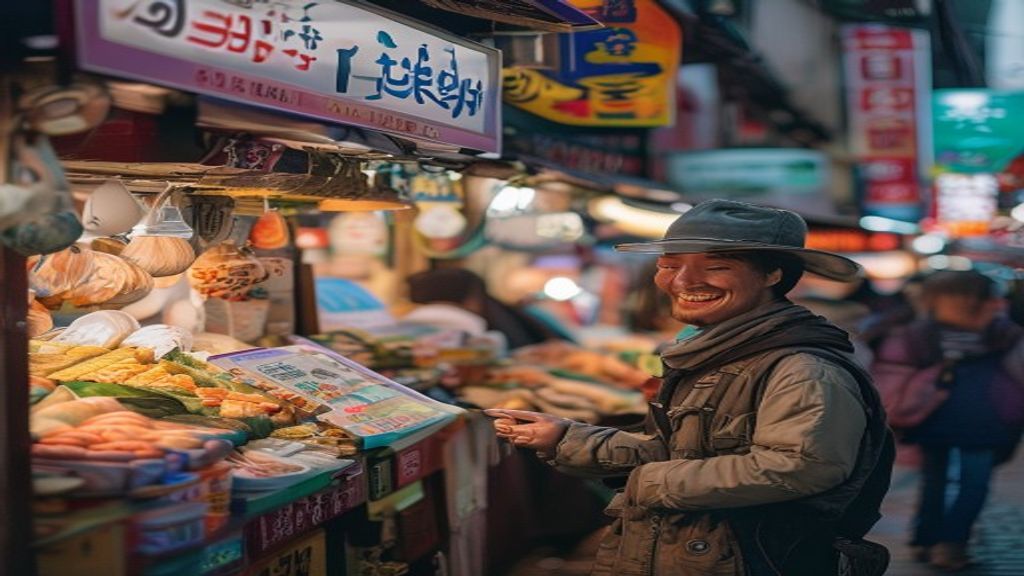
Why Learning a Few Korean Phrases Changes Everything
Most Western travelers arrive in Korea expecting a language barrier — and they're not entirely wrong. English signage has improved dramatically in Seoul, Busan, and other major cities, but step into a local pojangmacha (street food tent) or hop on a rural bus, and you'll quickly realize that a smartphone translator only gets you so far.
Here's the thing: Koreans deeply appreciate when foreigners make even a small effort to speak their language. A simple annyeonghaseyo (hello) at the right moment can turn a transaction into a warm conversation, get you a bigger portion of banchan (side dishes), or earn you a smile from a grandmother who thought you'd just point at the menu like everyone else.
This guide covers the essential Korean phrases for travel — organized by situation, explained with cultural context, and written for absolute beginners. No prior language knowledge required.
---
A Quick Note on the Korean Writing System
Before diving into phrases, it's worth mentioning that Korean uses its own alphabet called Hangul (한글), created in 1443 by King Sejong the Great. His goal was radical for the era: design a writing system so logical and learnable that it would be accessible to ordinary people, not just scholars trained in Classical Chinese.
Hangul consists of 14 consonants and 10 vowels that combine into syllable blocks. Most linguists consider it one of the most scientifically designed writing systems in the world — and here's the practical upside for travelers: you can learn to read Hangul in a few hours.
This matters because many menus, subway signs, and street names are written in Hangul without romanization. Spending 2–3 hours learning the alphabet before your trip will make a noticeable difference. Apps like Drops or a simple YouTube tutorial can get you there.
All phrases in this guide are written in Hangul, romanization (pronunciation guide), and English.
---
Essential Greetings and Politeness
Korean is a hierarchical language. Politeness levels are baked into the grammar itself, and using the right register matters. As a foreigner, you'll always be forgiven for not being perfect — but using polite forms (jondaemal) shows respect and is universally safe.
Basic Greetings
- 안녕하세요 (Annyeonghaseyo) — Hello / Good day (formal, all-purpose)
- 안녕 (Annyeong) — Hi (casual, use only with friends or children)
- 안녕히 가세요 (Annyeonghi gaseyo) — Goodbye (said to someone who is leaving)
- 안녕히 계세요 (Annyeonghi gyeseyo) — Goodbye (said when you are the one leaving)
Essential Politeness Phrases
- 감사합니다 (Gamsahamnida) — Thank you (formal)
- 고마워요 (Gomawoyo) — Thank you (informal but still polite)
- 죄송합니다 (Joesonghamnida) — I'm sorry / Excuse me (sincere apology)
- 실례합니다 (Sillyehamnida) — Excuse me (to get attention)
- 괜찮아요 (Gwaenchanayo) — It's okay / No problem / Are you alright?
- 네 (Ne) — Yes
- 아니요 (Aniyo) — No
---
Getting Around: Transport and Directions
Seoul's public transit is world-class. The subway system is clean, punctual, and has announcements in English, Chinese, and Japanese. That said, knowing a few directional phrases can help enormously when you're lost in a neighborhood or asking a taxi driver for help.
Key Transport Phrases
- 어디예요? (Eodie-yo?) — Where is it? (add location before this)
- [Place]이/가 어디예요? ([Place]-i/ga eodie-yo?) — Where is [place]?
- 지하철역이 어디예요? (Jihacheolyeogi eodie-yo?) — Where is the subway station?
- 택시 불러주세요 (Taeksi bulleo juseyo) — Please call a taxi for me
- [Destination]으로 가주세요 ([Destination]-euro ga juseyo) — Please take me to [destination]
- 여기서 세워주세요 (Yeogiseo seweo juseyo) — Please stop here
- 얼마예요? (Eolmaye-yo?) — How much is it?
Useful Cardinal Directions
- 왼쪽 (oenjjok) — left
- 오른쪽 (oreunjjok) — right
- 직진 (jikjin) — straight ahead
- 여기 (yeogi) — here
- 저기 (jeogi) — over there
---
Eating and Drinking: Restaurant Survival Phrases
Food is central to Korean culture — and Korean meals are meant to be communal, loud, and abundant. Walking into a Korean restaurant for the first time can feel overwhelming: staff shout welcomes, banchan arrives unasked, and the table might have a built-in grill. Don't panic. These phrases will carry you through.
Entering and Ordering
- 어서오세요 (Eoseroseyo) — Welcome! (you'll hear this, not say it)
- [Number]명이요 ([Number]-myeong-iyo) — [Number] people (e.g., 두 명이요 = two people)
- 메뉴 주세요 (Menyu juseyo) — Please give me the menu
- 이거 주세요 (Igeo juseyo) — I'll have this one (point at the menu)
- 이거 뭐예요? (Igeo mwoe-yo?) — What is this?
- 맵지 않게 해주세요 (Maepji ank-e haejuseyo) — Please make it not spicy
- 물 주세요 (Mul juseyo) — Please give me water
- 맛있어요! (Masiss-eoyo!) — It's delicious!
Paying the Bill
- 계산해주세요 (Gyesan haejuseyo) — Please give me the bill
- 카드 돼요? (Kadeu dwaeyo?) — Do you accept cards?
- 따로 계산해주세요 (Ttaro gyesan haejuseyo) — Separate bills, please
---
Shopping: Markets, Stores, and Haggling
From the neon-lit underground malls of Dongdaemun to the traditional stalls of Namdaemun Market, shopping in Korea is a sport. Fixed prices are standard in most retail stores, but traditional markets sometimes allow light negotiation — especially if you're buying multiple items.
Shopping Phrases
- 이거 얼마예요? (Igeo eolmaye-yo?) — How much is this?
- 너무 비싸요 (Neomu bissayo) — It's too expensive
- 깎아주세요 (Kkakkajuseyo) — Please give me a discount
- 조금만 더 싸게 해주세요 (Jogeumman deo ssage haejuseyo) — Can you make it a little cheaper?
- 이거 살게요 (Igeo salgeyo) — I'll buy this
- 봉투 주세요 (Bongtu juseyo) — Please give me a bag
- 영수증 주세요 (Yeongsujeung juseyo) — Please give me a receipt
- 환불 돼요? (Hwanbul dwaeyo?) — Can I get a refund?
Accommodation: Hotels and Guesthouses
Korea has a wide range of accommodation — from luxury hotels to traditional hanok guesthouses and the uniquely Korean jjimjilbang (공중목욕탕, gender-separated public bathhouses where you can sleep overnight).
Hotel Check-In Phrases
- 예약했어요 (Yeyak haesseoyo) — I have a reservation
- 체크인 하고 싶어요 (Chekeu-in hago sipeoyo) — I'd like to check in
- 체크아웃은 몇 시예요? (Chekeu-auseon myeot si-eyo?) — What time is check-out?
- Wi-Fi 비밀번호가 뭐예요? (Waipai bimilbeonhoga mwoeyo?) — What's the Wi-Fi password?
- 방이 너무 추워요/더워요 (Bangi neomu chuwoyo/deowoyo) — The room is too cold/hot
- 수건 더 주세요 (Sugeon deo juseyo) — Please give me more towels
Emergencies and Health: Phrases That Could Matter Most
No one plans for emergencies, but knowing a handful of critical phrases could be genuinely important.
Emergency Phrases
- 도와주세요! (Dowajuseyo!) — Help me!
- 119 불러주세요 (Baek-sipgu bulleo juseyo) — Please call 119 (Korea's emergency number for ambulance/fire)
- 경찰 불러주세요 (Gyeongchal bulleo juseyo) — Please call the police
- 병원이 어디예요? (Byeongwoni eodie-yo?) — Where is the hospital?
- 약국이 어디예요? (Yakgugi eodie-yo?) — Where is the pharmacy?
- 아파요 (Apayo) — I'm in pain / I'm sick
- 알레르기가 있어요 (Allereugi ga isseoyo) — I have an allergy
- [Food]에 알레르기가 있어요 — I'm allergic to [food]
---
Social Situations and Making Connections
One of the best parts of traveling in Korea is the warmth of its people — especially once you make any effort to bridge the language gap. These phrases go beyond survival and into genuine connection.
Conversation Starters
- 한국어를 조금 해요 (Hangugeo-reul jogeum haeyo) — I speak a little Korean
- 영어 할 수 있어요? (Yeongeo hal su isseoyo?) — Can you speak English?
- 천천히 말해주세요 (Cheoncheonhi malhaejuseyo) — Please speak slowly
- 다시 말해주세요 (Dasi malhaejuseyo) — Please say that again
- 이해 못 했어요 (Ihae mot haesseoyo) — I didn't understand
- 한국 정말 좋아요 (Hanguk jeongmal joayo) — I really love Korea
- 한국 음식이 맛있어요 (Hanguk eumsigi masiss-eoyo) — Korean food is delicious
---
Quick Reference: Top 20 Phrases at a Glance
Here's a condensed cheat sheet you can screenshot and save:
| Situation | Korean | Romanization | English | |---|---|---|---| | Greeting | 안녕하세요 | Annyeonghaseyo | Hello | | Thank you | 감사합니다 | Gamsahamnida | Thank you | | Sorry | 죄송합니다 | Joesonghamnida | I'm sorry | | Yes / No | 네 / 아니요 | Ne / Aniyo | Yes / No | | How much? | 얼마예요? | Eolmaye-yo? | How much? | | Order this | 이거 주세요 | Igeo juseyo | I'll have this | | Delicious | 맛있어요 | Masiss-eoyo | It's delicious | | Bill please | 계산해주세요 | Gyesan haejuseyo | The bill, please | | Where is...? | 어디예요? | Eodie-yo? | Where is it? | | Help! | 도와주세요 | Dowajuseyo | Help! | | Subway? | 지하철역 어디예요? | Jihacheolyeogi eodie-yo? | Where's the subway? | | Stop here | 여기서 세워주세요 | Yeogiseo seweo juseyo | Stop here | | Too spicy | 너무 매워요 | Neomu maewoyo | Too spicy | | Too expensive | 너무 비싸요 | Neomu bissayo | Too expensive | | I'm sick | 아파요 | Apayo | I'm sick | | Hospital? | 병원 어디예요? | Byeongwoni eodie-yo? | Where's the hospital? | | Speak slowly | 천천히 말해주세요 | Cheoncheonhi malhaejuseyo | Speak slowly | | I love Korea | 한국 좋아요 | Hanguk joayo | I love Korea | | Don't understand | 이해 못 했어요 | Ihae mot haesseoyo | I don't understand | | Goodbye | 안녕히 계세요 | Annyeonghi gyeseyo | Goodbye |
---
Final Tips for Language Learning on the Road
Learning phrases from a list is a start — using them in real life is where confidence builds. A few practical suggestions:
- Practice before you go. Even 15 minutes a day on Duolingo or a YouTube Korean pronunciation video will make a difference in how natural your phrases sound.
- Use a phrasebook app offline. Cell service can be spotty in rural areas or subway tunnels. Download an offline Korean phrasebook.
- Write it down. If you can't pronounce something, having it written in Hangul to show locals often works just as well.
- Embrace the awkward moments. Mispronouncing something will likely get a laugh — and laughter is a universal connector.
- Learn numbers. Prices, floor numbers, bus routes — numbers come up constantly. Learning Korean numbers (both the native Korean system and the Sino-Korean system) is worth the extra effort.
Korea rewards curious travelers. The language, the culture, the food, and the people all have layers that reveal themselves slowly — and every phrase you learn is a small key that unlocks a little more of that depth.
If you want to go further, explore resources on Korean etiquette, regional dialects, or the cultural significance behind Korean dining rituals. Understanding why Koreans behave the way they do is just as enriching as knowing what to say — and it will make your trip genuinely unforgettable.