When Do Cherry Blossoms Bloom in Korea in 2026?
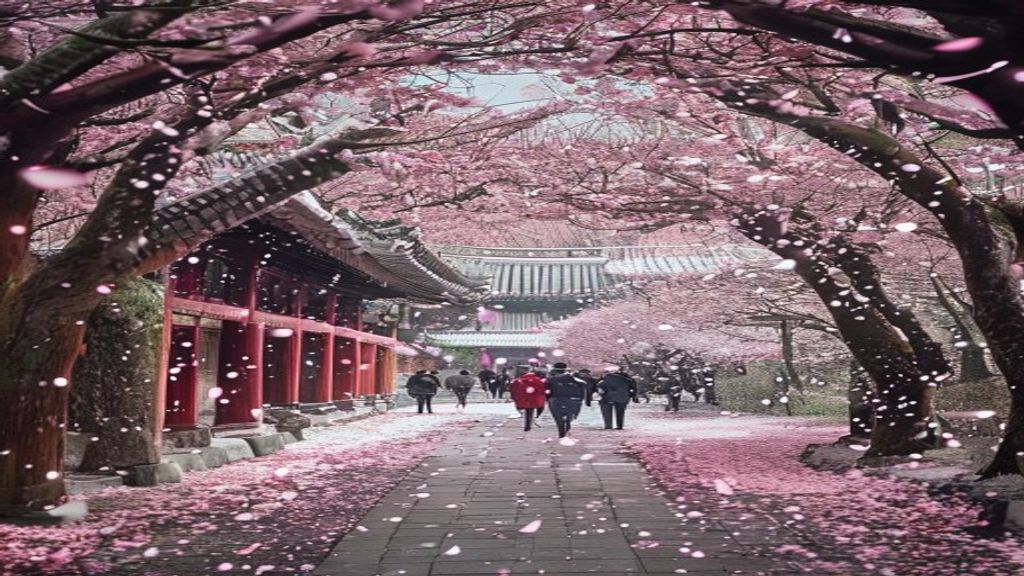
Korea's cherry blossom season (beotkkot, 벚꽃) is one of the most spectacular natural events in East Asia, transforming entire cities into pink and white wonderlands for just 7-10 days each spring. For 2026, the cherry blossom forecast follows Korea's south-to-north blooming pattern, typically starting in late March and concluding in mid-April.
I'll never forget standing under the cherry trees at Yeouido Park in Seoul during peak bloom, watching petals drift down like snow while families spread picnic blankets and couples posed for photos. The entire park was a sea of people, but instead of feeling crowded, there was this shared sense of celebration—everyone there to witness something fleeting and beautiful.
2026 Predicted Bloom Dates by Region
Based on historical patterns and meteorological data:
- Jeju Island: March 25 - April 2, 2026
- Busan & Southern Coast: March 28 - April 5, 2026
- Jinhae (Peak Festival Period): April 1 - 10, 2026
- Gyeongju: April 2 - 10, 2026
- Seoul & Gyeonggi: April 5 - 13, 2026
- Gangwon Province: April 10 - 18, 2026
Understanding Peak Bloom vs. Full Bloom
- Peak bloom (manbal, 만발): When 80-90% of blossoms are open—the ideal viewing window
- Full bloom period: Typically lasts 7-10 days under normal weather conditions
- Petal fall (kkotbinari, 꽃비): When petals create "cherry blossom rain" and carpet the ground
Best Cherry Blossom Spots in Seoul
Seoul offers numerous excellent viewing locations, from crowded tourist hotspots to quieter neighborhood gems. The capital's cherry trees bloom mid-April, making it perfect for travelers who can't catch the earlier southern blooms.
Yeouido Yeongdeungpo Spring Flower Festival
Location: Yeouido Park & Yunjung-ro Street, Yeongdeungpo-gu
Why visit: Korea's most famous cherry blossom festival features a 1.7km tunnel of over 1,400 cherry trees along Yunjung-ro. The street closes to traffic during festival days, allowing visitors to stroll freely under the blooms.
2026 Festival dates: Approximately April 4-12, 2026 (confirmed dates announced in March)
Tips:
- Visit on weekday mornings (7-9am) to avoid massive weekend crowds
- Evening illuminations run until 10pm during festival period
- Nearby 63 Building offers aerial views of the pink-lined streets
- Subway: Line 5 or 9 to Yeouido Station
Seoul Forest
Location: Seongdong-gu
A more relaxed alternative to Yeouido, Seoul Forest combines cherry blossoms with other spring flowers, deer park visits, and riverside cycling paths. The modern park layout offers Instagram-worthy photo spots without the intense crowds.
Best for: Families, photographers seeking diverse backgrounds, morning joggers
Namsan Seoul Tower Trail
Location: Jung-gu
The walking trails up to N Seoul Tower pass through beautiful cherry groves, offering elevated views of blossoms with the city skyline backdrop. The climb takes 30-40 minutes from Myeongdong.
Insider tip: Start from the northern slope (Dongguk University entrance) where fewer tourists venture. The combination of cherry blossoms, traditional Korean architecture, and city views creates stunning photographic compositions.
Seokchon Lake (Lotte World Area)
Location: Songpa-gu
This 1km lake loop features cherry trees reflected in calm water, creating mirror-image photo opportunities. Lotte World Tower provides a dramatic modern backdrop.
Best time: Sunrise (5:30-6:30am) for mirror-like water reflections and golden light
Top Cherry Blossom Destinations Beyond Seoul
While Seoul offers convenience, venturing outside the capital rewards you with spectacular natural settings, historical sites, and authentic local festivals.
Jinhae Cherry Blossom Festival (Changwon)
Location: Jinhae District, Changwon City, South Gyeongsang Province
Why it's special: Korea's largest and most famous cherry blossom festival, with over 360,000 trees throughout the small naval city. The festival's origins trace to Japanese colonial planting, but Koreans have reclaimed the celebration as their own.
2026 Festival dates: Approximately April 1-10, 2026
Must-see locations within Jinhae:
- Gyeonghwa Station: An abandoned railway track lined with cherry trees creates a romantic, Instagram-famous tunnel. Expect long queues for photos during peak hours.
- Yeojwacheon Stream: A 1.5km canal with cherry trees on both banks and yellow rapeseed flowers along the water
- Jehwangsan Park: Climb to the observation deck for panoramic views of Jinhae covered in pink blossoms
Pro tip: Book accommodation 2-3 months in advance. Jinhae is small, and hotels fill completely during festival week. Many visitors do day trips from Busan (1 hour away).
Gyeongju - Historic Capital Blossoms
Location: North Gyeongsang Province
The ancient capital of the Silla Kingdom (57 BCE - 935 CE) combines UNESCO World Heritage sites with spectacular cherry blossom viewing. Cherry trees frame thousand-year-old temples, royal tombs, and traditional architecture.
Top spots:
- Bomun Lake Resort: 5km lake loop with cherry trees and luxury resort facilities
- Daereungwon Tomb Complex: Cherry blossoms surrounding massive grass-covered royal burial mounds
- Gyeongju National Museum gardens: Free admission to gardens (museum requires ticket)
- Bulguksa Temple approach: Temple entrance road lined with blossoms (extra special if you can coordinate with temple stay programs)
Jeju Island - Korea's Earliest Blooms
Location: Jeju Special Self-Governing Province
Jeju's subtropical climate means cherry blossoms arrive 10-14 days earlier than mainland Korea, making it perfect for late March travelers.
Key locations:
- Jeonnong-ro (Typical Street): 10km road lined with cherry and rapeseed flowers creating yellow and pink corridors
- King Cherry Tree Street: Features Prunus yedoensis, the Korean native cherry variety
- Jeju Olle Trails: Multiple coastal hiking routes pass through cherry groves with ocean views
Busan Spots - Urban Blooms Meet Ocean Views
Location: South Korea's second-largest city
Top areas:
- Hwangnyeongsan Mountain: Cable car rides through cherry canopy with city and ocean panoramas
- Dalmaji Hill: Romantic coastal road with cherry trees overlooking Haeundae Beach
- UN Memorial Cemetery: Solemn, beautiful setting honoring Korean War veterans, with extensive cherry groves
- Samnak Nakdong Riverside Park: 15km path perfect for cycling under blossoms
Lesser-Known Cherry Blossom Gems
For travelers seeking authentic experiences away from tourist crowds, these locations offer spectacular viewing with local character.
Hadong Ssanggye Temple Route
Location: South Gyeongsang Province
The 15km road from Hwagae Market to Ssanggyesa Temple runs alongside a stream, lined with cherry trees creating a natural tunnel. Local vendors sell wild tea from nearby plantations.
Cultural significance: This area produces hwagae cheonghak nokcha, traditional green tea from one of Korea's most famous tea-growing regions. Visit tea fields after viewing blossoms.
Samcheok Ocean Rail Bike Cherry Blossom Route
Location: Gangwon Province, East Coast
Ride rail bikes along decommissioned coastal railroad tracks under cherry trees with East Sea views—combining adventure activity with blossom viewing.
Duration: 5.2km route takes 30-40 minutes
Best for: Couples, families with older children, active travelers
Gurye Sansuyu & Cherry Blossom Village
Location: South Jeolla Province
This area features both yellow cornelian cherry (sansuyu) and pink cherry blossoms blooming simultaneously in late March, creating spectacular two-tone landscapes around traditional village homes.
Korean Cherry Blossom Culture & Traditions
Understanding the cultural context enriches your cherry blossom experience beyond mere sightseeing.
The Practice of Beotkkot-nori (Cherry Blossom Viewing)
Cherry blossom viewing in Korea differs from Japanese hanami in several ways. While Japanese traditionally sit beneath trees for long picnic gatherings with alcohol, Korean beotkkot-nori emphasizes walking slowly through blossom tunnels (kkotgil, 꽃길), taking photos, and brief stops for street food.
Common activities:
- Couple photo shoots (many engaged couples schedule pre-wedding photos during bloom)
- Family outings with children running beneath falling petals
- Solo photography expeditions during golden hour
- Dating couples sharing seasonal foods
Seasonal Foods During Cherry Blossom Season
Korean vendors at cherry blossom festivals sell special seasonal treats:
- Cherry blossom makgeolli: Traditional rice wine infused with pickled cherry blossoms
- Hwajeon (화전): Pan-fried sweet rice cakes decorated with edible flower petals
- Beotkkot ice cream: Pink-colored soft serve with cherry blossom flavoring
- Seasonal tteokbokki variations: Spicy rice cakes sold from street vendors
The Philosophy of Impermanence
Cherry blossoms hold special meaning in Korean culture (덧없음, deodeopseum) representing life's fleeting beauty and the Buddhist concept of impermanence. The brief 7-10 day bloom period reminds Koreans to appreciate present moments.
This philosophy explains why millions of Koreans drop everything to visit cherry blossoms during peak bloom—they understand the window is brief and conditions unpredictable. Rain or strong wind can end the season in a single day.
Practical Planning Tips for 2026
Timing Your Visit for Maximum Bloom
Strategy 1: Chase the bloom wave Plan a 7-10 day trip starting in Busan/Jinhae (early April) and moving north to Seoul (mid-April). This maximizes your chances of catching peak bloom somewhere.
Strategy 2: Focus on one region Choose Seoul or Busan area and plan flexible activities. If you arrive before peak bloom, explore palaces, museums, and neighborhoods. If you arrive after, enjoy the petal carpet effect.
Strategy 3: Multiple location types Book urban locations (Seoul) and natural settings (Gyeongju, Jeju) to hedge against different microclimates and bloom timing variations.
Accommodation Booking Timeline
- December 2025-January 2026: Book Jinhae, Gyeongju, and popular Seoul hotels
- February 2026: Last chance for reasonable rates in major cities
- March 2026: Expect premium pricing and limited availability
- Hanok guesthouses in Bukchon (Seoul) or Gyeongju
- Airbnb apartments in residential neighborhoods
- Temple stay programs (advance booking required)
- Busan as a base for southern region day trips
Photography Tips
Best lighting conditions:
- Golden hour (6-7:30am and 6-7:30pm in early April)
- Overcast days for soft, even lighting
- Blue hour for illuminated evening blossom viewing
- Low angles shooting upward through branches toward sky
- Petals floating on water surfaces
- Traditional architecture framing blossoms
- Silhouettes of people walking under trees
- Macro shots of individual blossoms
Weather Preparation
Early April in Korea averages 10-17°C (50-63°F) with variable conditions:
- Pack layers: Morning/evening cool, midday warm
- Rain gear: April showers are common and can end bloom season
- Comfortable walking shoes: Expect 15,000-20,000 steps daily at festivals
- Sun protection: Strong UV despite cooler temperatures
Transportation During Peak Season
Public transit gets extremely crowded during cherry blossom weekends:
Seoul subway tips:
- Travel before 9am or after 8pm when possible
- Buy T-money card for seamless transfers
- Download Kakao Metro app for real-time train updates
- Book KTX high-speed rail tickets 1 month in advance
- Consider express buses (cheaper, more frequent) for shorter routes
- Rental cars offer flexibility but parking at festivals is nightmare
Combining Cherry Blossoms with Deeper Cultural Experiences
The best Korea cherry blossom trips integrate flower viewing with cultural immersion.
Temple Stay Programs
Several temples in cherry blossom regions offer temple stay programs during spring:
- Bulguksa Temple (Gyeongju): Wake for 3am meditation, then photograph blossoms in morning mist
- Hwaeomsa Temple (Gurye): Combine with nearby cherry blossom viewing
- Beomeosa Temple (Busan): Mountain setting with spring flowers
Spring Festivals Beyond Cherry Blossoms
Jeonju Bibimbap Festival (late April-early May): Combines food culture with late-season blossoms in Korea's food capital
Lotus Lantern Festival (Seoul, dates vary by lunar calendar): If Buddha's Birthday falls during bloom season, you can see illuminated lotus lanterns among cherry trees
Traditional Market Visits
Local markets near cherry blossom spots offer authentic cultural experiences:
- Sample bindaetteok (mung bean pancakes) and makgeolli
- Buy gochugaru (red pepper flakes) and other cooking ingredients
- Observe Korean daily life away from tourist areas
Sustainable Cherry Blossom Tourism
As cherry blossom tourism grows, responsible practices help preserve these beautiful spaces.
Be respectful:
- Don't shake trees or break branches for photos (surprisingly common)
- Stay on designated paths
- Dispose of trash properly (limited bins during festivals)
- Respect temple grounds and quiet zones
- Eat at small family restaurants rather than chains
- Book local guesthouses
- Purchase from independent vendors at festivals
- Consider visiting lesser-known locations to distribute tourism impact
- Visit weekday mornings when possible
- Choose alternative locations with similar beauty
- Consider late bloom (petal carpet phase) visits
Your Korea Cherry Blossom Journey Awaits
Korea's cherry blossom season offers far more than pretty flowers—it's a window into Korean culture's relationship with nature, impermanence, and seasonal celebration. Whether you spend your days walking temple paths in Gyeongju, cycling beside Busan's coast under pink canopies, or joining millions of Seoulites celebrating spring's arrival at Yeouido, you'll experience one of Asia's most spectacular natural phenomena.
Start monitoring the Korea Meteorological Administration's bloom forecasts in late February 2026, book your key accommodations early, and build flexibility into your itinerary. The trees will bloom when they're ready—your job is simply to be there, camera ready, walking slowly under the petals.
For more insights on Korean seasonal travel, traditional festivals, and cultural deep-dives that will enrich your journey, explore our comprehensive guides on Korean culture and travel traditions. Understanding the context transforms a beautiful visit into an unforgettable cultural experience.