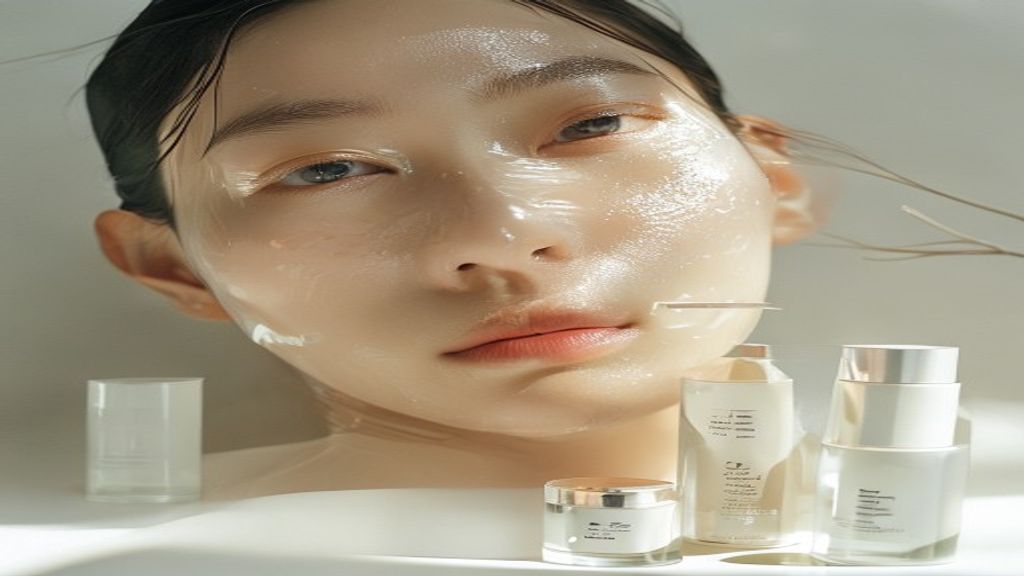
What Is Glass Skin — and Why Is Everyone Obsessed?
If you've spent more than five minutes on skincare TikTok or Instagram in the past few years, you've seen it: that impossibly smooth, dewy, almost reflective complexion that looks like someone forgot to put pores on their face. That's glass skin — and it's one of the most coveted beauty ideals to come out of South Korea.
The term yuripibu (유리피부) — literally "glass skin" — went viral around 2017 when Korean beauty influencers started using it to describe skin so hydrated and refined that it resembles a pane of clear glass. It's not about heavy makeup or filters. It's a skin condition — one that's achieved through consistent, intentional skincare over time.
Here's the thing: glass skin isn't just an aesthetic trend. It's rooted in a deeply held Korean cultural belief that healthy, well-cared-for skin is a form of self-respect. In Korea, skincare isn't an afterthought — it's a daily ritual passed down through generations.
---
The Korean Cultural Philosophy Behind Glass Skin
Skin as a Reflection of Inner Health
In Korean culture, the state of your skin has long been linked to your overall wellbeing — not just vanity. Traditional Korean medicine (hanbang) emphasizes that radiant skin comes from internal balance: good digestion, proper sleep, emotional harmony, and a diet rich in fermented foods like kimchi and doenjang.
This is why Korean skincare routines tend to be preventative rather than reactive. Rather than waiting for breakouts or dullness to appear and then treating them, the goal is to maintain a healthy skin barrier every single day.
The 10-Step Routine — Myth vs. Reality
You've probably heard of the famous Korean 10-step skincare routine. While it's real, it's also a bit of a media exaggeration. Most Korean women and men don't religiously complete all 10 steps every morning and night. Instead, they pick and choose based on their skin's needs that day — layering lightweight products thoughtfully rather than obsessively.
Glass skin is the outcome of this flexible, hydration-first philosophy. Think of the steps below not as a rigid checklist, but as a toolkit.
---
Step 1 — Double Cleanse (The Non-Negotiable Foundation)
Every glass skin routine begins with a proper cleanse. Not a quick face wash — a double cleanse.
Why two steps?
- The first cleanse (oil-based) dissolves sunscreen, makeup, and sebum
- The second cleanse (water-based) removes remaining impurities and prepares your skin for absorption
Over-cleansing is one of the most common mistakes Western skincare routines make. Korean cleansers are typically pH-balanced and non-stripping — because disrupting your skin barrier is the fastest route away from glass skin.
---
Step 2 — Exfoliate (But Gently, and Not Every Day)
Glass skin requires smooth texture, and that means occasional exfoliation. But the Korean approach is far gentler than the harsh scrubs that were popular in Western routines for decades.
Types used in Korean routines:
- Chemical exfoliants: AHAs (like glycolic or lactic acid) or BHAs (like salicylic acid) in low concentrations
- Enzyme exfoliants: Papaya or rice-based enzymes that gently dissolve dead skin cells
- Peeling gels: A Korean staple — these gel formulas physically roll off dead skin without abrasion
- Sensitive skin: 1x per week
- Normal skin: 2–3x per week
- Oily skin: up to 3–4x per week
---
Step 3 — Korean Toner (Not What You Think)
If you grew up using Western toners, forget everything you know. Korean toners are not astringents. They don't sting. They're not meant to remove oil.
Korean toners — sometimes called skin or first essence — are watery, hydrating liquids applied immediately after cleansing to:
- Restore the skin's pH balance
- Deliver the first layer of hydration
- Prep the skin to absorb subsequent products
Look for toners containing hyaluronic acid, niacinamide, galactomyces (a yeast ferment beloved in K-beauty), or centella asiatica.
---
Step 4 — Essence (The Heart of Korean Skincare)
If there's one product that defines K-beauty more than any other, it's the essence. Essences are lightweight, concentrated liquids packed with active ingredients — somewhere between a toner and a serum in consistency.
The most iconic example is the SK-II Facial Treatment Essence (though there are many affordable alternatives), built around Pitera, a fermented yeast ingredient. Essences like these flood skin with nutrients that promote cell turnover, hydration, and luminosity.
How to apply:
- Pour a small amount into your palms
- Press firmly but gently all over face and neck
- Let absorb before the next step
---
Step 5 — Targeted Serums and Ampoules
This is your problem-solving layer. While essences treat overall skin health, serums and ampoules address specific concerns:
| Concern | Ingredient to Look For | |---|---| | Hyperpigmentation | Vitamin C, niacinamide, arbutin | | Dehydration | Hyaluronic acid, ceramides | | Texture/pores | Retinol, BHA | | Dullness | Galactomyces, glutathione | | Redness/sensitivity | Centella asiatica, mugwort |
For glass skin specifically, prioritize brightening and hydrating serums. A Vitamin C serum in the morning plus a hyaluronic acid serum at night is a powerful combo for that luminous, even-toned base.
Ampoules are simply more concentrated versions of serums — used as short-term treatments or when your skin needs extra support.
---
Step 6 — Sheet Masks (The Cultural Icon)
No K-beauty guide would be complete without sheet masks. In South Korea, sheet masking is practically a national pastime — and it's deeply tied to the glass skin aesthetic.
Sheet masks are single-use fabric or bio-cellulose sheets soaked in concentrated serum. They create an occlusive layer that forces the skin to absorb the ingredients rather than letting them evaporate.
Glass skin sheet mask strategy:
- Use 2–3 times per week (or daily if your skin craves it)
- Leave on for 15–20 minutes
- Don't rinse — gently pat the remaining essence into skin
- Follow immediately with moisturizer to lock in benefits
---
Step 7 — Moisturizer: Seal in the Layers
After building up all those hydrating layers, you need to lock them in. Korean moisturizers tend to be lighter than their Western counterparts — many are gel-cream or water-cream formulations that absorb quickly and leave no greasy residue.
For glass skin, avoid heavy, occlusive creams during the day. Instead:
- AM: Light gel moisturizer or water cream
- PM: Slightly richer cream to support overnight repair
- Ceramides — repair and maintain the skin barrier
- Snail mucin — a K-beauty legend; hydrating, healing, and smoothing
- Fermented ingredients — boost absorption and add glow
- Peptides — support skin elasticity
Step 8 — SPF: The Most Important Glass Skin Step of All
Here's where many Western skincare routines fall short. Sun protection is non-negotiable for glass skin — and Korean sunscreens are genuinely in a different league.
UV damage is the number one cause of:
- Hyperpigmentation and dark spots
- Loss of skin elasticity
- Collagen breakdown
- Dull, uneven texture
- Lightweight and non-greasy
- Often enriched with skincare actives
- Available in dewy finishes that enhance the glass skin look rather than mattifying it
---
Lifestyle Factors That Support Glass Skin
The routine matters — but Korean beauty philosophy is clear that what you put in your body is just as important as what you put on your skin.
Hydration
Koreans famously drink a lot of water and often eat water-rich foods like cucumber, watermelon, and congee. Skin hydration starts from within.Diet
Fermented foods (kimchi, doenjang, makgeolli) support gut health, which in Korean medicine is directly linked to skin clarity. A diet high in antioxidants, low in processed sugar, and rich in omega-3s creates an internal environment where glass skin can thrive.Sleep
Skin regenerates overnight. The glow of glass skin is partly a result of consistent, quality sleep — which is why many Korean skincare routines are more elaborate at night.Facial Massage
Gentle gua sha or lymphatic drainage massage improves circulation, reduces puffiness, and gives skin that lit-from-within radiance. Many Korean women incorporate this into their nighttime toner or moisturizer application.---
Common Glass Skin Mistakes to Avoid
Even the most well-intentioned routines can go wrong. Watch out for these:
- Using too many actives at once: Layering Vitamin C, retinol, AHA, and BHA in the same routine causes irritation and damages the barrier — the opposite of glass skin
- Skipping SPF: Undoing your entire routine every day by not protecting from UV
- Expecting overnight results: Glass skin is a months-long commitment, not a weekend project
- Over-exfoliating: More isn't better; a damaged barrier looks rough and red, not glassy
- Using products that aren't right for your skin type: Korean routines are highly customizable — what works for oily skin may overwhelm dry skin
Your Glass Skin Journey Starts Today
Glass skin isn't a filter or a fantasy — it's an achievable result of consistent, thoughtful skincare grounded in centuries of Korean beauty wisdom. The routine doesn't have to be complicated or expensive. Start with the basics: double cleanse, hydrate in layers, protect with SPF, and give your skin time.
The most transformative thing you can take from K-beauty isn't a specific product — it's the mindset. Treat your skin with daily care and respect, and the glow will follow.
If you're curious to explore more Korean cultural practices around beauty, wellness, and lifestyle, there's a rich world beyond skincare waiting for you — from hanbang herbal traditions to Korean food culture and its surprising connections to skin health. Dive deeper into Korean culture guides and resources to enrich not just your routine, but your understanding of where these beautiful practices come from.