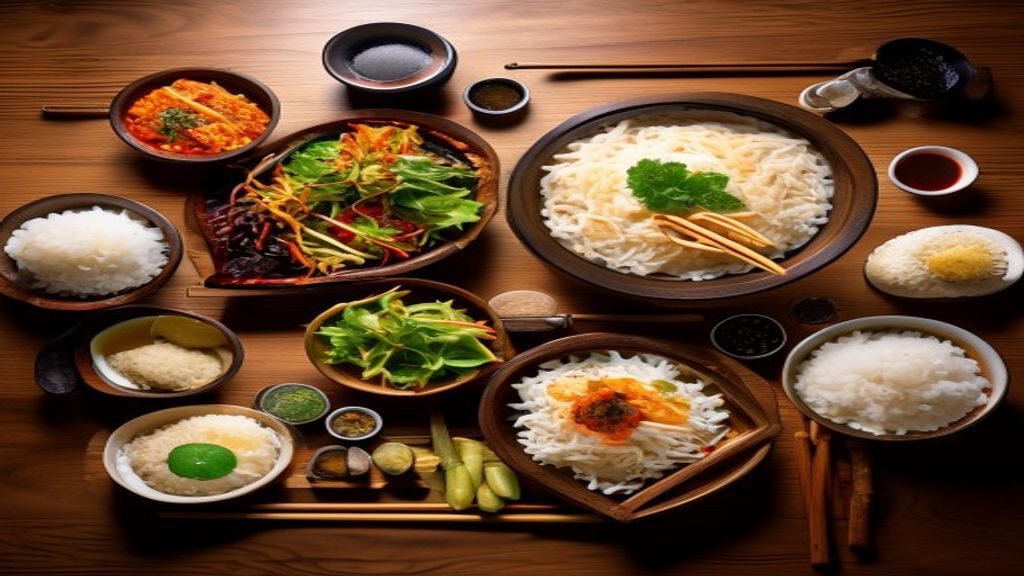
Why Korean Food Is Perfect for Beginner Home Cooks
Korean cuisine has exploded in global popularity — and for good reason. From the fiery kick of kimchi jjigae to the satisfying sizzle of bulgogi on a hot pan, Korean food hits every flavor note: savory, sweet, spicy, and umami-rich all at once.
But here's the thing most people don't realize: Korean home cooking is far more approachable than it looks. Many classic dishes require only a handful of pantry staples and straightforward techniques. Once you stock your kitchen with a few key ingredients, you'll find that recreating your favorite Korean restaurant dishes at home is not only possible — it's genuinely fun.
Whether you've just finished binge-watching a K-drama and caught yourself craving the ramyeon the characters were slurping at 2 AM, or you've been inspired by the global rise of K-food culture, this beginner's guide is your starting point.
---
Building Your Korean Pantry: The Non-Negotiables
Before you crack open any cookbook or start a recipe, you need the right foundation. Korean cooking relies on a surprisingly small set of core ingredients that appear again and again.
The Big Five Korean Staples
- Gochugaru (고추가루) — Korean red pepper flakes. Not the same as chili flakes. Essential for kimchi, stews, and marinades. Adds color, heat, and depth.
- Doenjang (된장) — Fermented soybean paste. Korea's answer to miso, but earthier and more pungent. Used in soups, stews, and dipping sauces.
- Ganjang (간장) — Korean soy sauce. Used both for cooking (jin ganjang) and raw dipping (soup soy sauce / guk ganjang).
- Gochujang (고추장) — Fermented red chili paste. Sweet, spicy, and savory all at once. The backbone of bibimbap sauce and tteokbokki.
- Sesame oil (참기름) — A finishing oil, not a cooking oil. Drizzled at the end to add a nutty, toasty aroma.
Supporting Cast
Beyond the Big Five, stock these basics and you'll be able to make dozens of recipes:
- Garlic (used in nearly everything, always fresh)
- Ginger
- Green onions / scallions
- Rice wine or mirin (mirim)
- Fish sauce
- Short-grain white rice
- Dried anchovies and kelp (for making stock)
---
Understanding Korean Meal Structure Before You Cook
One of the most eye-opening things about Korean cuisine is how meals are structured — and understanding this will completely change how you approach cooking.
Banchan: The Art of Side Dishes
In a traditional Korean meal, the table is covered with banchan (반찬) — small shared side dishes that accompany a bowl of rice and soup. You don't order banchan at a Korean restaurant; they arrive automatically, and refills are free.
Common banchan includes:
- Kimchi (fermented cabbage)
- Kongnamul (seasoned bean sprouts)
- Japchae (glass noodles with vegetables)
- Gamja jorim (braised potatoes)
- Spinach namul (seasoned spinach)
The One-Bowl Alternative
Not every Korean meal is a multi-dish spread. Bibimbap, gimbap, and dosirak (lunchbox meals) are all satisfying single-dish options that are perfect for weeknight cooking.
---
5 Easy Korean Recipes Every Beginner Should Master
These five dishes form the backbone of any beginner's Korean cooking repertoire. They're forgiving, use pantry staples, and deliver massive flavor with minimal technique.
1. Gyeran Mari (계란말이) — Korean Rolled Omelette
This is the dish to make when you want something quick, impressive, and unmistakably Korean. A simple egg roll filled with green onions, carrots, and sometimes cheese, gyeran mari is a beloved banchan and lunchbox staple.
Why it's great for beginners: Requires only eggs and vegetables. Ready in under 10 minutes. Teaches you the technique of low-and-slow rolling.
Basic method: Whisk eggs with a pinch of salt, pour into a lightly oiled pan, add fillings, and roll slowly from one side. Slice into bite-sized rounds.
2. Japchae (잡채) — Glass Noodle Stir-Fry
Japchae is one of Korea's most beloved celebration dishes, often served at holidays and birthdays. Sweet potato glass noodles are stir-fried with colorful vegetables, beef, and seasoned with soy sauce and sesame oil.
Why it's great for beginners: Forgiving texture. You can swap in whatever vegetables you have. It's naturally gluten-free if using tamari.
Beginner tip: Cook the noodles and vegetables separately, then toss everything together at the end for the best texture.
3. Doenjang Jjigae (된장찌개) — Soybean Paste Stew
If bibimbap is Korea's most famous dish internationally, doenjang jjigae is the dish that Koreans actually eat every single day. Hearty, warming, and deeply savory, this stew features doenjang paste, tofu, zucchini, and mushrooms simmered in an anchovy broth.
Why it's great for beginners: One pot, simple ingredients. The doenjang does the heavy lifting flavor-wise.
Cultural note: Doenjang is one of Korea's oldest fermented foods, with records dating back over 2,000 years. Making doenjang from scratch (a process called meju) is a traditional winter activity, though store-bought paste is perfectly authentic.
4. Bulgogi (불고기) — Marinated Beef
Bulgogi literally means "fire meat," and it's one of the most internationally recognized Korean dishes. Thinly sliced beef is marinated in a sweet-savory sauce of soy sauce, sugar, sesame oil, garlic, and pear or apple (which acts as a natural tenderizer).
Why it's great for beginners: The marinade is foolproof. You can cook it in a pan, on a grill, or even in the oven. Leftovers are excellent in rice bowls, wraps, or sandwiches.
Beginner tip: Freeze the beef slightly before slicing — it makes cutting thin strips dramatically easier.
5. Kimchi Fried Rice (김치볶음밥)
Kimchi fried rice is arguably the greatest use of leftover rice ever invented. Fermented kimchi is stir-fried with day-old rice, a splash of sesame oil, and topped with a fried egg. It's the Korean equivalent of the ultimate midnight snack or hangover cure.
Why it's great for beginners: No precise measurements needed. Uses leftovers. Ready in under 15 minutes. Deeply satisfying.
The secret: Use old kimchi (over-fermented, sour kimchi) for the most complex flavor. This is actually the best use of kimchi that's been sitting in your fridge for weeks.
---
What to Look for in a Korean Cookbook for Beginners
With so many Korean cookbooks on the market, it can be overwhelming to know where to start. Here's what to look for when choosing your first Korean cookbook.
Clear Explanations of Ingredients
A great beginner cookbook explains why each ingredient is used, not just what quantity to add. Look for books that include a pantry chapter, a glossary of Korean terms, and guidance on substitutions.
Technique-Forward Writing
Korean cooking has some specific techniques — making anchovy stock, salting and squeezing vegetables, the art of making kimchi — that need proper explanation. Avoid cookbooks that assume prior knowledge.
Cultural Context
The best Korean cookbooks aren't just recipe collections. They connect dishes to their cultural roots — which region a dish comes from, what occasion it's traditionally served for, and why certain flavor combinations developed. This context makes cooking more meaningful and memorable.
A Mix of Traditional and Modern Recipes
Look for books that balance classic recipes with modern, weeknight-friendly adaptations. Some traditional Korean dishes (like a full kimchi-making session) are weekend projects; others should be achievable on a Tuesday evening after work.
---
Common Beginner Mistakes in Korean Cooking (And How to Avoid Them)
Even enthusiastic beginners can run into pitfalls. Here are the most common mistakes and how to sidestep them.
Using the Wrong Soy Sauce
Not all soy sauce is interchangeable in Korean cooking. Korean soup soy sauce (guk ganjang) is lighter in color but saltier and used specifically in soups and vegetable dishes. Using regular dark soy sauce will throw off both color and flavor. When in doubt, read the recipe carefully and ask at an Asian grocery store.
Skipping the Rest Time for Marinated Meats
Bulgogi and galbi (short ribs) both benefit enormously from at least 30 minutes of marinating — and ideally several hours overnight. Don't rush this step. The enzymes in pear or kiwi (commonly used in marinades) need time to work their magic.
Overcooking Tofu in Jjigae
Soft tofu (sundubu) falls apart easily. Add it to your stew in the last 5 minutes of cooking and resist the urge to stir vigorously. Firm tofu holds up better if you're pan-frying before adding.
Making Kimchi Too Early — or Not Making It at All
Many beginners skip kimchi entirely, assuming it's too complex. It's not. A basic baechu kimchi (napa cabbage kimchi) can be made at home with five core ingredients and patience. Start with a small batch and let it ferment at room temperature for 1-2 days before refrigerating.
---
The Cultural Story Behind Korean Home Cooking
Korean cuisine didn't develop in isolation. It was shaped by centuries of agricultural tradition, Buddhist temple cooking, royal court cuisine, periods of scarcity and abundance, and the deep philosophy of hansik (한식) — the idea that food and medicine share the same root.
Fermentation isn't just a cooking method in Korea; it's a cultural practice. Kimchi was traditionally made in massive communal batches each November in a ceremony called kimjang (김장), which UNESCO recognized as an Intangible Cultural Heritage of Humanity in 2013. Families would gather over multiple days to salt, season, and pack hundreds of heads of cabbage to last through the winter.
This spirit of community, seasonal eating, and resourcefulness is woven into every dish. When you make doenjang jjigae or kimchi fried rice at home, you're participating in a culinary tradition that stretches back thousands of years.
Modern Korean food culture has also evolved rapidly. The global K-wave — driven by K-pop, K-drama, and Korean cinema — has introduced millions of people worldwide to Korean flavors. Young Korean chefs are now blending traditional techniques with global influences, and Korean street food (tteokbokki, hotteok, corn dogs) has found fans from Los Angeles to London.
---
Building Your First Week of Korean Home Cooking
Ready to put it all together? Here's a simple meal plan for your first week cooking Korean food at home.
| Day | Dish | Difficulty | |-----|------|------------| | Monday | Kimchi Fried Rice + Fried Egg | ⭐ Easy | | Tuesday | Doenjang Jjigae + Steamed Rice | ⭐⭐ Moderate | | Wednesday | Gyeran Mari + Leftover Rice | ⭐ Easy | | Thursday | Bulgogi Rice Bowl | ⭐⭐ Moderate | | Friday | Japchae | ⭐⭐ Moderate | | Weekend | Kimchi Making Session | ⭐⭐⭐ Project |
Start with Monday and Wednesday to build confidence, then tackle the moderately complex dishes as you get more comfortable with Korean flavors and techniques.
---
Your Next Steps Into Korean Food Culture
Mastering these beginner recipes is just the beginning. Korean cuisine is vast, regional, and endlessly interesting. Once you're comfortable with the basics, you can explore:
- Regional specialties — Jeonju bibimbap, Busan's milmyeon, Jeju-style black pork dishes
- Temple food (사찰음식) — Vegan Korean cuisine from Buddhist monasteries, gaining international attention
- Fermentation projects — Making your own doenjang or soy sauce from scratch
- Korean desserts — Tteok (rice cakes), sikhye (sweet rice punch), bingsu (shaved ice)
- Korean BBQ at home — Setting up a tabletop grill for galbi and samgyeopsal nights
The world of Korean food is rich, deeply connected to history and community, and genuinely delicious. Your journey starts with a bowl of rice and a jar of gochugaru — and from there, the kitchen is yours.